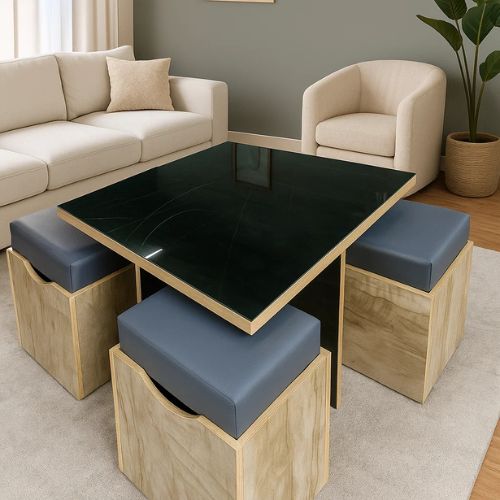



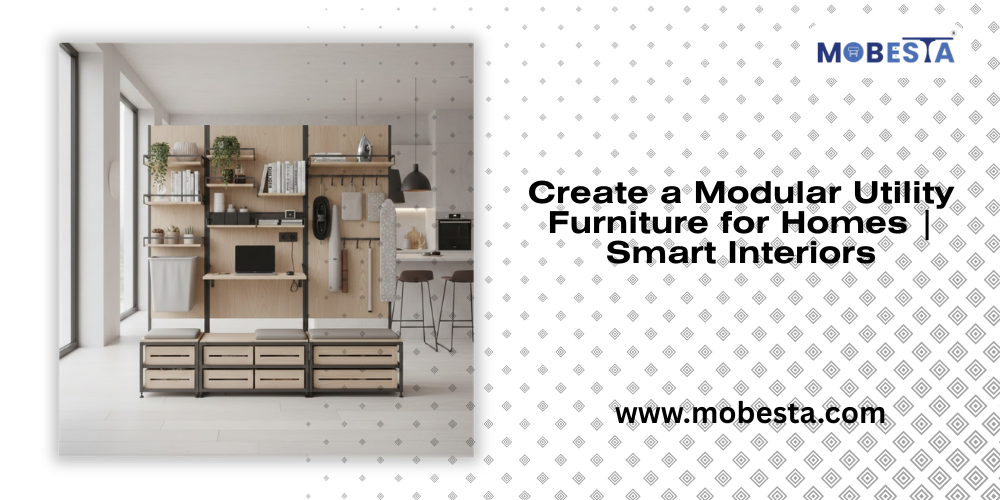
Create a Modular Utility Furniture for Homes
Modern homes are evolving rapidly, and the need to create a modular utility furniture for homes has never been stronger. Today’s homeowners want interiors that are efficient, stylish, and adaptable to changing lifestyles. Instead of buying bulky furniture that serves only one purpose, people are shifting toward modular solutions that improve space planning and daily comfort. At Mobesta, homeowners can explore versatile furniture layouts designed for modern living through the official website https://mobesta.com, where smart designs meet practical functionality. Many people also discover new interior inspiration on Instagram, where modular furniture ideas are shared daily and help families visualize how they can create a modular utility furniture for homes that feels organized and beautiful.
The growing demand to create a modular utility furniture for homes comes from the way people now use their spaces. Homes are no longer divided into rigid zones. Living rooms double as work areas, bedrooms include study corners, and dining spaces often serve multiple roles. Modular furniture helps accommodate these changes by offering flexible layouts that can be rearranged, expanded, or redesigned whenever needed. When homeowners create a modular utility furniture for homes, they invest in solutions that adapt to their lifestyle instead of forcing their lifestyle to adapt to the furniture.
One of the biggest advantages when families create a modular utility furniture for homes is improved space efficiency. In compact apartments especially, unused corners and empty wall areas represent lost potential. Modular furniture converts those spaces into productive storage zones, display sections, or functional work areas. Floating shelves, wall-mounted cabinets, foldable desks, and sliding wardrobes all contribute to a layout where every inch serves a purpose. This intelligent use of space is why more homeowners prefer to create a modular utility furniture for homes rather than rely on traditional furniture pieces.
Another reason people want to create a modular utility furniture for homes is the clean visual structure it brings. Traditional furniture often appears mismatched or oversized for modern interiors. Modular units, by contrast, follow consistent proportions, matching finishes, and symmetrical placement. This makes rooms appear more organized and visually balanced. Whether the home follows a minimalist theme, a contemporary style, or a warm wooden décor, the decision to create a modular utility furniture for homes helps maintain harmony throughout the interior.
Durability also plays an important role in why homeowners choose to create a modular utility furniture for homes. Engineered wood has become a widely trusted material because of its stability and long-term strength. It resists bending, shrinking, and surface cracking better than many traditional materials. Laminated surfaces protect against scratches, stains, and daily wear. When people create a modular utility furniture for homes, they get furniture that stays functional and attractive for years, even in busy households with children or pets.
Functionality is at the heart of modular furniture. Families who create a modular utility furniture for homes benefit from units that are designed around daily routines. Modular wardrobes provide organized sections for clothes and accessories. Study tables include drawers and cable management features. TV units hide wires while offering storage for electronics and décor. Kitchen modules allow smoother movement while cooking. Every modular piece serves a purpose beyond just occupying space. This is what makes it valuable to create a modular utility furniture for homes that actively supports daily living.
Another important factor is customization. Ready-made furniture rarely fits perfectly into every home. Wall lengths, ceiling heights, window placements, and lifestyle needs all vary from family to family. When homeowners create a modular utility furniture for homes, they can decide exact measurements, storage layouts, finishes, and hardware options. This personalized approach ensures that furniture fits seamlessly into the space instead of looking forced or temporary. Mobesta specializes in helping families create a modular utility furniture for homes with designs that match both their interiors and their practical requirements.
The aesthetic value of modular furniture is equally significant. When families create a modular utility furniture for homes, they can choose finishes that complement the rest of their décor. Matte laminates create a soft modern feel, while wood-grain textures add warmth and richness. Dual-tone combinations bring depth and contrast to the room. These visual choices allow modular furniture to look premium without appearing heavy or overwhelming. The result is a home that feels thoughtfully designed and visually calm.
Storage organization improves dramatically when homeowners create a modular utility furniture for homes. Instead of scattered cupboards and random shelves, modular systems provide structured storage zones. Clothing, electronics, books, documents, kitchen supplies, and décor items each get designated spaces. This reduces clutter and saves time in everyday routines. Families quickly notice how much easier it becomes to maintain cleanliness once they create a modular utility furniture for homes tailored to their storage needs.
Lighting integration is another advantage of modular interiors. Many homeowners who create a modular utility furniture for homes choose designs that include built-in LED strips, spotlight shelves, or concealed lighting panels. These elements highlight textures, improve usability, and enhance the atmosphere of the room. A well-lit modular unit not only improves visibility but also adds a premium interior feel. This thoughtful combination of lighting and structure is one of the reasons designers encourage families to create a modular utility furniture for homes rather than rely on separate furniture pieces.
The adaptability of modular furniture is particularly valuable for growing families. As needs change, modular units can be expanded or rearranged easily. Extra shelves can be added to wardrobes, additional cabinets can be installed in kitchens, and study areas can be extended for children as they grow. When families create a modular utility furniture for homes, they invest in furniture that evolves alongside their lifestyle. This flexibility ensures the home remains functional without frequent replacements or costly redesigns.
Another reason people prefer to create a modular utility furniture for homes is easier maintenance. Smooth laminated surfaces require only occasional wiping to stay clean. Floating cabinets allow easy floor cleaning underneath. Closed storage protects belongings from dust. Compared to traditional furniture that may require polishing or repair, modular units remain practical and low-maintenance. This convenience is especially important for busy households where efficiency matters.
Technology integration has also influenced the decision to create a modular utility furniture for homes. Modern homes include smart TVs, routers, charging stations, speakers, and work devices. Modular furniture supports these needs through cable-routing channels, hidden compartments, and device-friendly layouts. Instead of wires spreading across the room, everything stays organized within the modular design. This makes the home look cleaner and more modern, reinforcing the value of choosing to create a modular utility furniture for homes.
In addition to personal comfort, modular interiors also increase property appeal. Homes with structured storage, coordinated furniture, and modern layouts look more premium to visitors and potential buyers. A well-planned modular interior signals that the home is thoughtfully designed and ready for long-term use. For this reason, many homeowners create a modular utility furniture for homes not just for comfort but also as a smart investment.
Mobesta continues to support this growing shift by offering design solutions that make it easier to create a modular utility furniture for homes tailored to Indian lifestyles. Their approach focuses on precise measurement, balanced layouts, durable engineered wood, and finishes that suit both compact apartments and spacious houses. By combining functionality with aesthetics, Mobesta helps families design interiors that remain relevant for years.
Ultimately, the decision to create a modular utility furniture for homes is about building a living environment that feels organized, efficient, and visually pleasing. Modular furniture supports modern lifestyles where flexibility, storage, and design harmony matter equally. Instead of filling rooms with disconnected pieces, homeowners can shape a cohesive interior that supports daily life comfortably and beautifully.
When families decide to create a modular utility furniture for homes, they are not just selecting storage units or decorative pieces. They are shaping how the house functions daily. Modular design influences how people move through rooms, how easily they organize belongings, and how comfortable the home feels overall. This is why interior planners now treat modular furniture as a structural element of the house rather than just an accessory.
One of the most noticeable changes after families create a modular utility furniture for homes is improved room flow. Furniture that is measured precisely for the space allows smoother movement and prevents congestion in walkways. Wall-mounted cabinets free up floor area, sliding wardrobes reduce door obstruction, and corner units make previously unused areas productive. These changes make the entire home feel larger and more breathable.
Living rooms benefit significantly when homeowners create a modular utility furniture for homes tailored to entertainment and relaxation needs. A well-designed TV unit combined with coordinated storage shelves creates a clean central layout. Instead of multiple separate cabinets, one integrated modular system keeps décor, electronics, and storage aligned. This creates a polished visual impact and makes the room easier to maintain.
Bedrooms also transform when families create a modular utility furniture for homes focused on comfort and organization. Modular wardrobes with planned internal sections reduce clutter and make dressing routines simpler. Integrated bedside units and compact study corners allow bedrooms to remain functional without feeling crowded. This thoughtful arrangement improves daily convenience while maintaining a calm atmosphere.
Kitchens are among the most practical spaces where homeowners prefer to create a modular utility furniture for homes. Modular kitchen systems organize cooking zones logically, keeping utensils, ingredients, and appliances within easy reach. Tall pantry units, pull-out drawers, and overhead cabinets maximize storage without reducing workspace. These designs make everyday cooking smoother and more efficient.
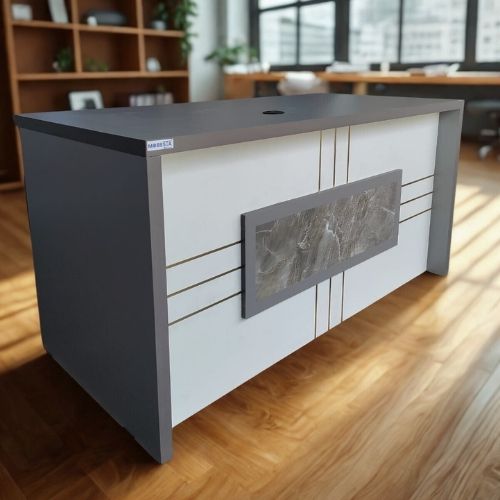
Home offices and study areas have become essential in recent years, and many families now create a modular utility furniture for homes that supports productivity. A modular desk with shelves, drawers, and cable routing helps maintain focus and reduces visual distractions. This setup ensures that workspaces remain functional while blending with the overall home décor.
Entryways also gain value when homeowners create a modular utility furniture for homes suited for everyday use. Shoe cabinets, wall hooks, console drawers, and compact benches keep the entrance organized and welcoming. Instead of cluttered footwear or misplaced keys, modular entry units ensure that the first impression of the home is clean and structured.
Another important reason people choose to create a modular utility furniture for homes is the long-term cost benefit. While modular furniture may require careful planning initially, it reduces the need for frequent replacements. Because each unit is designed specifically for the space, it tends to remain relevant even when family needs change. This durability makes modular interiors a practical financial decision.
Sustainability is also becoming a major factor. Many homeowners now create a modular utility furniture for homes using engineered wood because it utilizes processed materials efficiently and reduces waste. Compared to traditional timber-heavy furniture, modular designs often have a lower environmental impact while still offering a premium appearance. This balance of responsibility and style makes modular interiors appealing to environmentally conscious households.
Another benefit of choosing to create a modular utility furniture for homes is the sense of visual unity it brings. When furniture pieces follow the same design language and finish, the entire home looks coordinated. Matching laminates across wardrobes, TV units, kitchen cabinets, and storage shelves create a cohesive interior theme. This uniformity makes even smaller homes appear professionally designed.
Customization remains one of the strongest reasons families create a modular utility furniture for homes instead of buying ready-made sets. Storage needs differ from one household to another. Some require more hanging space, others need book storage, and some prefer hidden cabinets for documents or valuables. Modular furniture allows every compartment to be planned based on real usage patterns rather than generic assumptions.
Lighting design also improves significantly once homeowners create a modular utility furniture for homes. Integrated LED strips in shelves, wardrobes, or kitchen units enhance both functionality and mood. Soft lighting highlights textures and makes rooms feel warmer, while task lighting improves visibility during work or cooking. These subtle additions make modular furniture more practical and visually appealing.
Another overlooked advantage is improved hygiene. When families create a modular utility furniture for homes, storage becomes centralized and organized, reducing dust buildup and clutter. Closed cabinets protect items, and floating units allow easier floor cleaning. This structured layout helps maintain a healthier living environment with less daily effort.
Technology integration continues to influence modern interiors, and modular furniture adapts well to these needs. Many homeowners now create a modular utility furniture for homes that includes hidden router spaces, charging points, or cable compartments. This keeps devices accessible without letting wires disturb the visual design of the room.
Mobesta supports homeowners who want to create a modular utility furniture for homes by offering designs that balance aesthetics, durability, and usability. Their modular concepts focus on real household needs—efficient storage, easy maintenance, and visual harmony. Through thoughtful design planning, they help families transform ordinary spaces into structured, comfortable environments.
As modular interiors become more popular, social platforms like Instagram continue to inspire homeowners with new layouts and design ideas. Seeing real-home transformations often motivates families to create a modular utility furniture for homes that reflects their personal taste while solving practical challenges. This combination of inspiration and customization helps modular furniture remain one of the fastest-growing interior trends.
Ultimately, the decision to create a modular utility furniture for homes is about designing a lifestyle rather than just furnishing a house. Modular systems provide flexibility, order, and visual balance, allowing homes to remain functional even as routines evolve. Whether the goal is maximizing storage, improving organization, or creating a modern interior look, modular furniture offers solutions that support long-term comfort.
By planning carefully and choosing reliable craftsmanship, homeowners can create a modular utility furniture for homes that truly enhances daily living. The result is a space that feels structured yet comfortable, stylish yet practical, and modern yet timeless.