


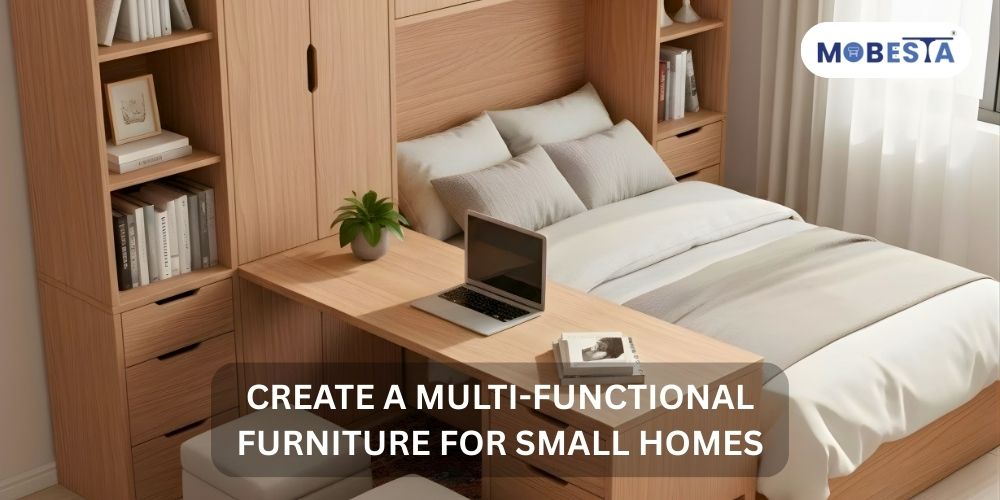
Create Multi-functional Furniture for Small Homes
Modern homes are becoming smarter, more organized, and more space-efficient than ever before. As apartments get compact and urban living becomes more practical, homeowners are now focusing on solutions that improve comfort without occupying unnecessary space. One of the most effective ways to achieve this is to create a Multi-functional furniture for small homes that blends design, storage, and usability in one thoughtful structure. At Mobesta, homeowners can explore space-efficient furniture ideas through the official website https://mobesta.com, while many customers also discover design inspiration through Instagram and other social platforms where real home transformations are shared regularly. When you create a Multi-functional furniture for small homes, you don’t just add furniture — you improve the way your home works every day.
Small homes do not mean limited comfort. Instead, they require smarter planning. When families choose to create a Multi-functional furniture for small homes, they ensure every piece of furniture performs more than one role. A bed can include storage, a sofa can convert into a sleeping unit, a dining table can fold into a console, and a wardrobe can double as a study space. These thoughtful combinations reduce clutter while maintaining a stylish interior. The idea is simple: maximize function while minimizing wasted space.
Urban homes often struggle with storage shortages. When homeowners create a Multi-functional furniture for small homes, they solve this challenge in a structured way. Furniture pieces are designed with built-in compartments, hidden shelves, sliding panels, and flexible layouts. Instead of filling the room with many separate items, one carefully designed unit handles multiple needs. This approach keeps the space clean and visually balanced while making daily life more convenient.
One of the biggest advantages when you create a Multi-functional furniture for small homes is better space planning. Traditional furniture occupies fixed floor area and rarely adapts to changing needs. Multi-functional furniture, however, responds to lifestyle shifts. A foldable desk can open when needed and close when not in use. A wall-mounted unit can serve as storage during the day and become a work table at night. When you create a Multi-functional furniture for small homes, flexibility becomes a natural part of your interior.
Engineered wood has played a major role in making this furniture style accessible and durable. Because engineered wood panels provide uniform strength and smooth finishing, designers can build compact yet strong structures. When homeowners create a Multi-functional furniture for small homes using engineered wood, they benefit from durability, stability, and long-term reliability. Laminated surfaces resist scratches, stains, and moisture, making them suitable for everyday use in busy households.
Another benefit of choosing to create a Multi-functional furniture for small homes is improved organization. Every household has items that need dedicated storage — clothing, books, electronics, seasonal items, kitchen supplies, and daily accessories. Multi-functional furniture is designed to accommodate these needs in a structured layout. Beds with storage boxes, TV units with cabinets, wall shelves with drawers, and study desks with compartments all contribute to a tidy environment. When everything has its place, the home feels calmer and more spacious.
Design flexibility is another reason homeowners prefer to create a Multi-functional furniture for small homes. This approach supports various interior styles. Whether your home follows a modern, Scandinavian, minimal, or contemporary theme, multi-functional units can be designed to match the décor. Matte laminates create a subtle modern look, wood-grain textures add warmth, and dual-tone finishes bring visual contrast. Because the furniture is planned as a system rather than random pieces, the overall interior looks coordinated and thoughtfully arranged.
Comfort is equally important. When families create a Multi-functional furniture for small homes, they ensure that practicality does not reduce usability. Sofa beds are designed with proper cushioning, foldable desks maintain ergonomic height, and storage beds allow easy lifting. The goal is not just to save space but to maintain daily comfort. When well-designed, multi-functional furniture makes the home easier to use rather than more complicated.
Lighting also enhances the effect of space-saving furniture. Floating shelves with LED lighting, wardrobes with internal illumination, and study units with focused lights improve usability and aesthetics. When homeowners create a Multi-functional furniture for small homes, lighting is often integrated into the structure, eliminating the need for additional fixtures and keeping the layout clean.
A major advantage of this furniture style is its ability to grow with the family. When people create a Multi-functional furniture for small homes, they invest in adaptable designs. Children grow, work habits change, and storage needs evolve. Modular furniture allows additional shelves, drawers, or panels to be added later. This adaptability ensures the furniture remains relevant for years, reducing the need for frequent replacements.
Another reason many homeowners choose to create a Multi-functional furniture for small homes is improved visual flow. Bulky furniture often breaks the structure of a room, making it look crowded. Multi-functional units, however, are designed to align with walls and proportions. Floating units maintain floor visibility, vertical storage reduces clutter, and concealed cabinets keep surfaces clean. This makes the home appear larger than it actually is.
Safety is also improved when furniture is carefully planned. Wall-mounted storage prevents tipping hazards, concealed cable channels reduce wire exposure, and fixed structures provide stability. Families with children often find that when they create a Multi-functional furniture for small homes, the environment becomes more secure and organized.
Technology integration is another growing reason people adopt this approach. Modern homes include multiple devices — televisions, routers, chargers, laptops, speakers, and smart systems. Multi-functional furniture allows hidden cable routes, charging points, and equipment storage. When you create a Multi-functional furniture for small homes, the home becomes ready for modern digital living without visible clutter.
Maintenance is simple with engineered wood furniture. Smooth laminated surfaces require only basic cleaning. Closed cabinets protect items from dust. Floating designs make floor cleaning easier. When homeowners create a Multi-functional furniture for small homes, they reduce the time spent maintaining the interior while keeping it visually appealing.
Budget efficiency is another important benefit. Instead of purchasing many individual furniture pieces, families invest in fewer but more capable units. This often reduces overall cost while improving quality. When you create a Multi-functional furniture for small homes, you invest in long-term usability rather than temporary solutions.
Mobesta focuses heavily on this approach because modern Indian homes increasingly require intelligent design. Their modular engineered wood furniture is built with durability, balanced proportions, and thoughtful storage layouts. Customers browsing https://mobesta.com often find that the best designs are those that combine multiple uses in one structure. Seeing real installations on Instagram also helps homeowners visualize how they can create a Multi-functional furniture for small homes in their own space.
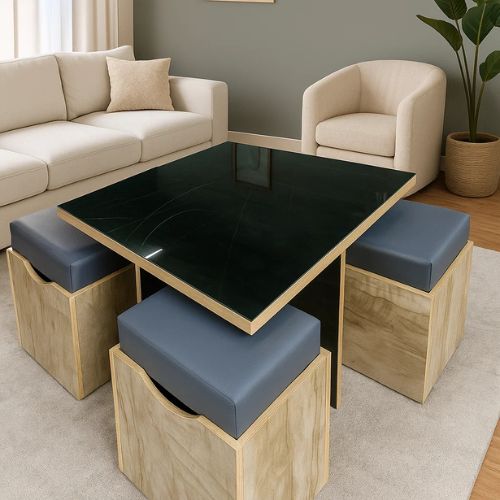
The living room is one of the first areas where this concept proves useful. A TV wall can include drawers, display shelves, and hidden cabinets. A sofa can convert into a bed for guests. A coffee table can open into storage. When families create a Multi-functional furniture for small homes in the living room, they keep the space welcoming without sacrificing practicality.
Bedrooms also benefit greatly from this approach. Storage beds reduce the need for extra cabinets, wardrobes can include study tables, and wall-mounted shelves provide vertical storage. When you create a Multi-functional furniture for small homes in the bedroom, the room feels peaceful yet highly functional.
Kitchens in compact homes often use tall cabinets, pull-out storage, and foldable dining counters. This ensures cooking and dining happen smoothly without occupying too much space. When families create a Multi-functional furniture for small homes in the kitchen, workflow improves dramatically.
Study areas also become more efficient with foldable desks, wall shelves, and hidden drawers. With remote work becoming common, this flexibility is extremely valuable. When homeowners create a Multi-functional furniture for small homes, they ensure the house supports both work and relaxation.
Entryways can include shoe cabinets with seating benches, mirrors with storage, and slim console units. These designs keep the entrance organized and welcoming. Even a small foyer becomes functional when you create a Multi-functional furniture for small homes with thoughtful planning.
In essence, this furniture philosophy is about intelligent living. Instead of adjusting life around furniture, the furniture adapts to the lifestyle. When homeowners create a Multi-functional furniture for small homes, they transform compact spaces into efficient, comfortable, and visually appealing environments.
As urban living continues to evolve, homeowners are realizing that comfort no longer depends on the size of the house but on how intelligently the space is designed. When families create a Multi-functional furniture for small homes, they shift their focus from quantity of furniture to quality of planning. This mindset leads to interiors that feel open, structured, and highly usable even within limited square footage. Instead of overcrowding rooms, the goal becomes designing furniture that supports daily routines without interrupting movement or visual balance.
One of the most effective ways to implement this approach is by focusing on vertical space. Many homes fail to use wall height efficiently. When homeowners create a Multi-functional furniture for small homes, they often install tall storage units, floating shelves, and wall-mounted cabinets that extend upward instead of outward. This preserves walking space while increasing storage capacity. Vertical planning also makes rooms look taller and more organized, which psychologically makes the home feel larger.
Living rooms especially benefit from such smart design thinking. A single modular wall unit can combine entertainment storage, display shelves, hidden drawers, and even a compact study section. When people create a Multi-functional furniture for small homes in the living room, they ensure the space remains welcoming for guests while still serving everyday practical needs. A well-planned unit eliminates the need for separate cabinets, sideboards, and storage boxes, resulting in a cleaner layout.
Another area where this concept proves valuable is the dining zone. Compact homes often struggle to accommodate a full dining setup. Instead of forcing large tables into small spaces, families now create a Multi-functional furniture for small homes using foldable dining tables, wall-mounted breakfast counters, or extendable console tables. These solutions allow the dining area to expand only when needed and remain compact otherwise. This flexibility makes everyday living smoother and more comfortable.
Bedrooms also transform significantly with intelligent furniture design. Instead of adding multiple standalone pieces, homeowners now create a Multi-functional furniture for small homes by combining wardrobe storage, dressing units, study desks, and loft cabinets into one cohesive structure. This integration removes unnecessary visual breaks and makes the room appear more spacious. When the furniture follows a unified design language, the bedroom feels calmer and better organized.
Children’s rooms benefit immensely from such planning. As kids grow, their needs change quickly — from toy storage to study desks to wardrobe expansion. When parents create a Multi-functional furniture for small homes, they design units that can adapt over time. Bunk beds with study tables, wardrobes with adjustable shelves, and wall storage with sliding panels all support long-term usability. This ensures the room evolves with the child instead of requiring complete redesign every few years.
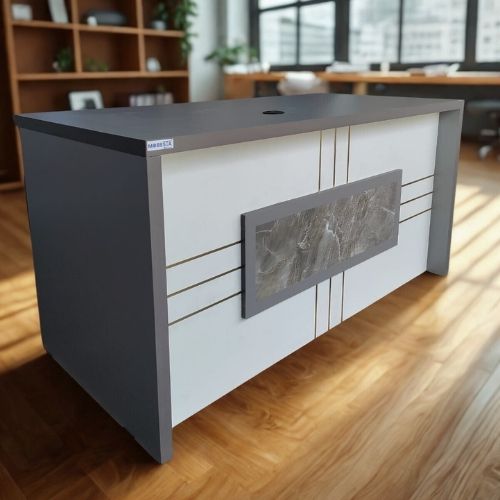
Work-from-home culture has also accelerated the demand for adaptable interiors. Many professionals now need workspace within limited rooms. When they create a Multi-functional furniture for small homes, they often include foldable desks, hidden office cabinets, or convertible workstations within existing furniture. A wardrobe door may open into a desk, or a wall panel may reveal a compact workstation. These designs allow the home to support productivity without sacrificing comfort or aesthetics.
Storage efficiency remains one of the strongest motivations behind this furniture philosophy. When homeowners create a Multi-functional furniture for small homes, they aim to assign a dedicated place for every item. This prevents clutter from accumulating on surfaces and floors. Hidden compartments, pull-out trays, and layered storage sections make it easier to organize belongings logically. Over time, this structure improves daily efficiency because items are easier to find and maintain.
Another important advantage is improved interior harmony. Random furniture pieces often create a disjointed look. However, when families create a Multi-functional furniture for small homes as a unified design system, the interior feels cohesive. Matching finishes, consistent panel lines, and balanced proportions give the home a professionally designed appearance. Even compact spaces start to resemble thoughtfully curated interiors rather than crowded living areas.
Mobesta emphasizes this approach strongly in its modular furniture solutions. On https://mobesta.com, homeowners can explore layouts where beds include storage, wardrobes integrate desks, TV units incorporate shelving, and entryway furniture combines seating with storage. Many customers first notice these ideas on Instagram, where real home transformations demonstrate how small homes can be optimized through thoughtful modular design. This visual inspiration helps people understand how to create a Multi-functional furniture for small homes without compromising on beauty.
Material choice plays a major role in ensuring these designs remain durable. Engineered wood continues to be the most reliable option for multi-functional structures. Because of its layered construction, it resists bending and maintains stability even in compact, high-use furniture pieces. Laminated surfaces protect against scratches and moisture, ensuring that when homeowners create a Multi-functional furniture for small homes, the results remain strong and visually appealing for years.
Another reason this approach works well is its contribution to emotional comfort. Cluttered environments often create stress and reduce relaxation. When families create a Multi-functional furniture for small homes, they simplify their surroundings. Fewer visible objects, better storage organization, and balanced layouts help create a calmer atmosphere. This emotional benefit is often as important as the practical one, because the home feels more peaceful and controlled.
Lighting again plays a significant role in enhancing the effectiveness of such interiors. Built-in lighting inside wardrobes, shelves, and wall panels improves usability while adding warmth to the space. When homeowners create a Multi-functional furniture for small homes with integrated lighting, they reduce the need for extra lamps and fixtures. This keeps the interior visually simple and more spacious.
Cleaning and maintenance also become easier. Multi-functional furniture typically includes fewer standalone items, meaning fewer dust-collecting gaps. Floating units allow easy sweeping and mopping underneath. Smooth laminate finishes can be wiped quickly. When people create a Multi-functional furniture for small homes, they unknowingly simplify long-term maintenance of the house.
Another key advantage is long-term adaptability. Homes rarely remain static — families grow, lifestyles shift, and storage needs change. Multi-functional modular furniture allows adjustments without complete replacement. Additional shelves can be installed, drawers can be added, and layouts can be modified. When homeowners create a Multi-functional furniture for small homes, they invest in furniture that evolves alongside them rather than becoming outdated.
This design philosophy also supports sustainability. Instead of frequently replacing multiple low-quality furniture pieces, families invest in fewer, durable, adaptable units. Engineered wood uses recycled wood fibers, reducing environmental impact. When people create a Multi-functional furniture for small homes, they indirectly contribute to more responsible consumption and reduced material waste.
Entryways, often ignored in design planning, can also become more efficient with this approach. A slim shoe cabinet with a seating bench, overhead storage, and mirror panel creates a functional transition zone. When homeowners create a Multi-functional furniture for small homes even in small entry areas, the entire house feels more organized from the moment someone enters.
The psychological impact of such planning is powerful. A home that feels organized, balanced, and thoughtfully arranged creates a sense of control and comfort. Families find daily routines smoother, cleaning quicker, and storage easier. When they create a Multi-functional furniture for small homes, they are essentially designing a system that supports their lifestyle every day.
Mobesta’s focus on modular engineered wood furniture aligns perfectly with this philosophy. By combining strong materials, precise measurements, and intelligent layouts, Mobesta helps homeowners create interiors that are both stylish and efficient. Customers exploring the brand’s website often realize that the most successful small homes are not those with the least furniture, but those where the furniture performs the most functions.
Ultimately, the decision to create a Multi-functional furniture for small homes is about designing smarter rather than living smaller. It allows homeowners to maintain comfort, style, and organization without needing extra space. When furniture is planned with intention, even a compact apartment can feel spacious, welcoming, and highly functional.
A thoughtfully designed home is not defined by square footage but by how effectively each part of it works. When families create a Multi-functional furniture for small homes, they transform everyday living into a smoother, more organized, and more enjoyable experience. This approach ensures that space limitations never become lifestyle limitations, allowing modern homes to remain practical, beautiful, and ready for the future.